
Ecosystem Services Explained: Why Swamps Matter Beyond the Adventure
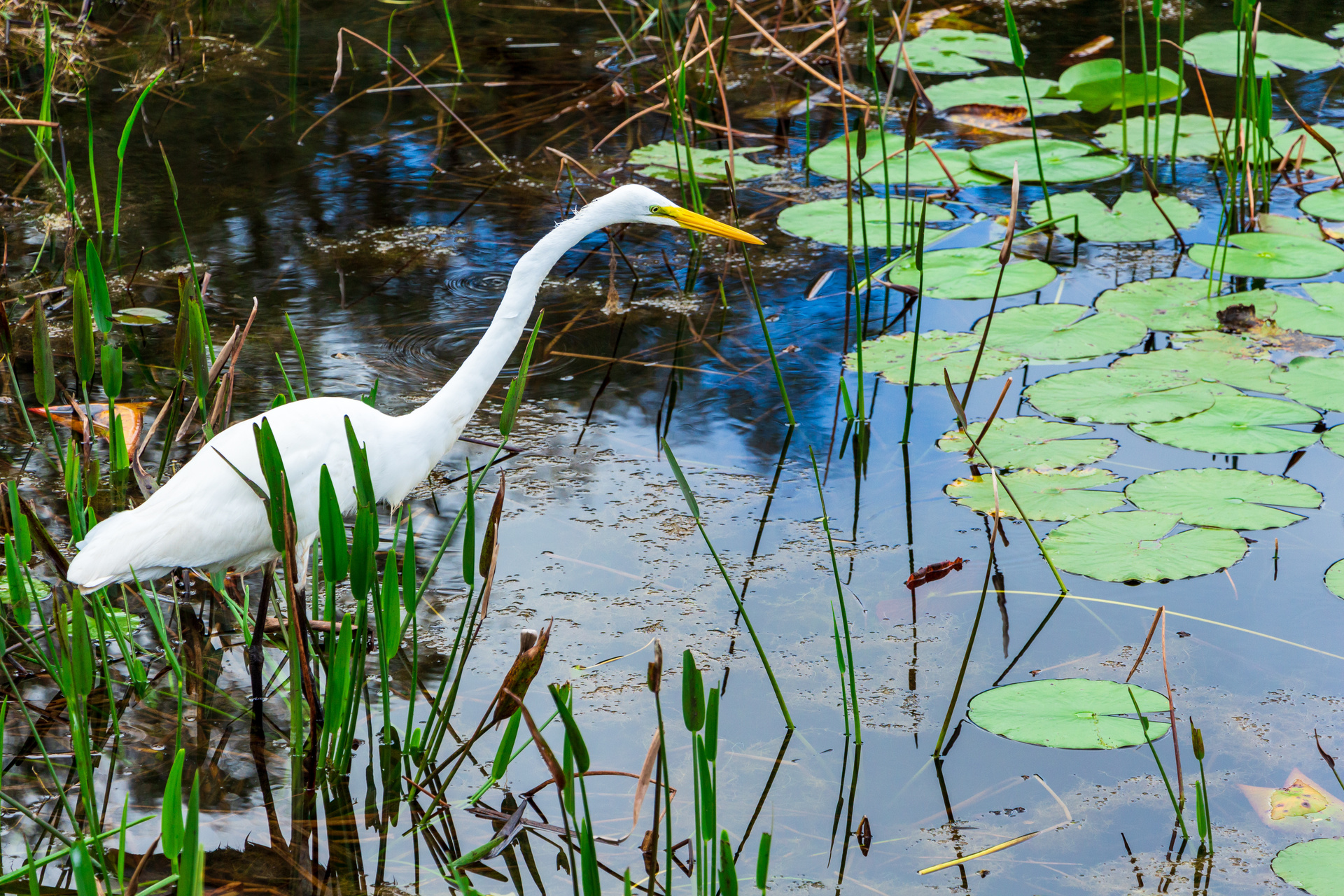

Swamps are often viewed through the lens of recreation, but their real value lies in the services they provide every day”
MARRERO, LA, UNITED STATES, February 6, 2026 /EINPresswire.com/ -- Swamps are often associated with outdoor recreation, wildlife encounters, and guided excursions, but their ecological role extends far beyond tourism. These wetland systems provide essential ecosystem services that support environmental stability, protect communities, and sustain biodiversity across coastal regions. In Louisiana, swamps function as working landscapes that quietly perform critical tasks every day.— Milton Walker Jr.
One of the most important services swamps provide is flood mitigation. Wetlands act as natural sponges, absorbing excess rainfall and slowing stormwater runoff. During heavy rain events and hurricanes, swamps reduce the speed and volume of water moving toward populated areas. This natural buffering effect helps limit flooding impacts and eases strain on engineered drainage systems.
Swamps also play a significant role in coastal protection. Vegetation within wetlands stabilizes soil and reduces erosion caused by wind, waves, and boat traffic. Root systems bind sediment in place, while dense plant growth dissipates energy from moving water. These processes help maintain landmass in regions where coastal erosion poses ongoing challenges.
Water quality improvement represents another vital ecosystem service. As water moves through swamp environments, sediments settle and pollutants are filtered out by plants and microorganisms. Nutrients such as nitrogen and phosphorus are absorbed and transformed through natural biological processes. This filtration improves downstream water quality and supports healthier aquatic ecosystems.
Biodiversity support is a defining characteristic of swamp ecosystems. These environments provide habitat for a wide range of species, including birds, fish, reptiles, amphibians, and mammals. Many species rely on swamps for breeding, feeding, and shelter during different stages of their life cycles. The complexity of these habitats supports food webs that extend well beyond wetland boundaries.
Carbon storage is an increasingly recognized function of swamp systems. Wetlands capture and store carbon in vegetation and soils, helping regulate atmospheric carbon levels. By slowing the release of carbon dioxide and methane, swamps contribute to climate regulation. The preservation of these ecosystems supports long-term environmental balance.
Swamps also influence local climate conditions. Evapotranspiration from wetland vegetation moderates temperature extremes and supports atmospheric moisture balance. These localized effects contribute to regional climate stability, particularly in coastal and low-lying areas.
Cultural and educational value adds another layer to the importance of swamps. These environments provide opportunities for environmental education, scientific research, and cultural connection. Generations of coastal communities have relied on swamps for livelihoods, transportation, and natural resources. Understanding these ecosystems fosters appreciation for their role in regional identity.
Tourism and outdoor exploration offer a point of entry for public engagement with swamp ecosystems. Guided experiences introduce visitors to wildlife behavior, hydrology, and conservation principles. Exposure to functioning wetlands often shifts perception from novelty to respect for their ecological importance.
According to Milton Walker Jr., owner of Louisiana Tour Company in Marrero, Louisiana, public understanding of swamp ecosystems benefits from direct exposure combined with accurate information.
“Swamps are often viewed through the lens of recreation, but their real value lies in the services they provide every day,” Walker said. “Flood control, habitat support, and water filtration all happen quietly in the background.”
Human activity has increased pressure on wetland systems through development, pollution, and altered water flow. When swamps are reduced or degraded, the ecosystem services they provide diminish. Flood risk increases, water quality declines, and wildlife habitat becomes fragmented. These consequences highlight the importance of conservation and responsible land management.
Restoration efforts aim to reestablish natural hydrology and vegetation in degraded wetland areas. By reconnecting water flow and reintroducing native plant species, these projects help recover lost ecosystem services. Long-term monitoring supports adaptive management and improves restoration outcomes.
Education plays a central role in wetland preservation. When communities understand how swamps function and why they matter, support for conservation initiatives increases. Clear communication about ecosystem services helps shift discussions from abstract environmental concepts to tangible community benefits.
Swamps are not passive landscapes. They are dynamic systems that respond to environmental change and human influence. Their ability to adapt depends on space, connectivity, and protection from excessive disturbance. Maintaining healthy wetlands supports resilience across coastal regions.
The value of swamps extends far beyond adventure and recreation. These ecosystems provide flood protection, water purification, habitat, carbon storage, and climate moderation. Recognizing and preserving these services supports environmental stability and community well-being.
As conversations around sustainability and climate resilience continue, swamp ecosystems remain central to regional strategies. Their importance lies not only in what can be seen during a visit, but in the unseen processes that support life and protect landscapes every day.
Morgan Thomas
Rhino Digital, LLC
+1 504-875-5036
email us here
Visit us on social media:
Facebook
Legal Disclaimer:
EIN Presswire provides this news content "as is" without warranty of any kind. We do not accept any responsibility or liability for the accuracy, content, images, videos, licenses, completeness, legality, or reliability of the information contained in this article. If you have any complaints or copyright issues related to this article, kindly contact the author above.
