

Roof Maintenance Season Checklist Released With Guidance From Jaymar Construction Professionals
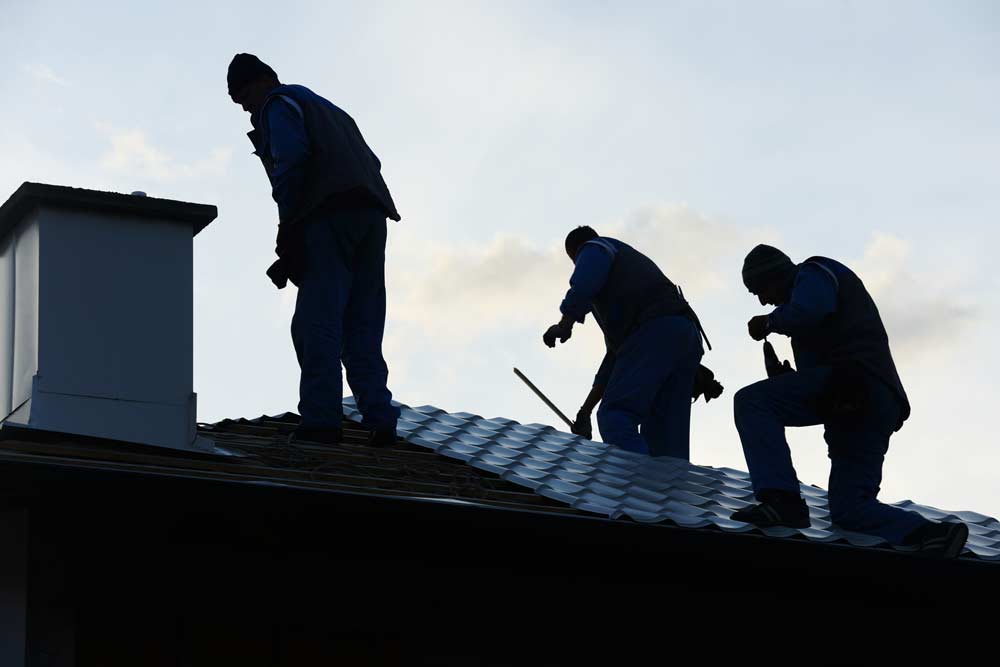

Seasonal maintenance helps identify those signs early, which supports better planning and fewer surprises”
SLIDELL, LA, UNITED STATES, January 2, 2026 /EINPresswire.com/ -- Seasonal roof maintenance plays a critical role in preserving structural integrity and reducing the likelihood of unexpected repairs. As weather patterns shift throughout the year, routine inspection and upkeep help identify developing issues before they escalate into costly damage. Jaymar Construction LLC has outlined a roof maintenance season checklist intended to support homeowners and property managers in preparing roofs for changing environmental conditions.— Jules Albert III
Roofs are exposed year-round to sun, rain, wind, temperature fluctuations, and debris. Over time, these factors contribute to gradual wear that may not be immediately visible from the ground. Seasonal maintenance provides an opportunity to assess roof condition, address minor concerns, and maintain overall performance.
One of the first checklist items involves visual inspection of roofing surfaces. Shingles or roofing materials should be examined for signs of cracking, curling, lifting, or displacement. Even small irregularities can allow moisture intrusion if left unaddressed. Consistent inspection helps detect early-stage issues before underlying layers are affected.
Gutters and drainage systems are another key focus area. Leaves, branches, and debris can accumulate quickly, restricting water flow. When drainage pathways are blocked, water may back up under roofing materials or overflow near the foundation. Clearing gutters and downspouts supports proper water movement away from the structure.
Flashing and sealant conditions are also important to review during maintenance season. Flashing around chimneys, vents, skylights, and roof transitions helps prevent water intrusion at vulnerable points. Over time, sealants can dry out or separate due to temperature changes. Identifying deterioration early reduces the risk of leaks developing during heavy rain events.
Roof penetrations should be checked carefully. Plumbing vents, exhaust outlets, and other roof openings require secure seals to remain watertight. Seasonal maintenance helps ensure these areas remain properly sealed and aligned. Shifting or cracked components may indicate movement that warrants further attention.
Attic inspection supports a more complete understanding of roof health. Signs of moisture, staining, or mold inside the attic may indicate ventilation or roofing concerns that are not visible from the exterior. Adequate airflow helps regulate temperature and moisture levels, supporting both roof materials and interior comfort.
Tree management is another checklist consideration. Overhanging branches can scrape roofing materials during high winds and contribute to debris buildup. Trimming back branches reduces physical contact with the roof and limits the accumulation of organic matter that can trap moisture.
Seasonal maintenance also includes checking for animal activity. Small openings or damaged areas may allow birds, rodents, or insects to access attic spaces. Early detection helps prevent structural damage and insulation disturbance.
According to Jules Albert III, owner of Jaymar Roofing, regular maintenance supports long-term roof performance and predictability.
“Roofs tend to show warning signs long before serious issues develop,” said Albert. “Seasonal maintenance helps identify those signs early, which supports better planning and fewer surprises.”
Weather exposure varies by season, making timing an important factor in maintenance planning. Pre-season inspections help prepare roofs for increased rainfall or temperature extremes, while post-season reviews allow for assessment after periods of heightened stress. This cyclical approach supports ongoing performance rather than reactive repairs.
Documentation is another element of effective roof maintenance. Keeping records of inspections, observations, and any corrective actions provides a reference point for future evaluations. Documentation also supports communication with contractors and insurance providers when assessments are required.
Roof maintenance season checklists are applicable to a wide range of property types. Residential homes, multi-family buildings, and light commercial structures all benefit from routine review of roofing components. While materials and designs may differ, the principles of inspection and upkeep remain consistent.
Maintenance does not eliminate the need for eventual replacement, but it can extend service life and reduce the likelihood of unexpected failures. Addressing minor issues early helps preserve underlying materials and structural components.
As weather patterns continue to influence building performance, proactive maintenance remains an essential part of property care. Roofs serve as a primary protective barrier, and consistent attention supports their ability to perform under varying conditions.
The release of a seasonal roof maintenance checklist highlights the importance of routine evaluation and early intervention. By focusing on inspection, drainage, sealing, ventilation, and surrounding conditions, property owners can better manage roof performance throughout the year.
Preparedness and consistency remain central to effective roof maintenance. Seasonal checklists provide a structured approach that supports long-term durability, reduces risk, and promotes informed decision-making regarding roof care and planning.
Morgan Thomas
Rhino Digital, LLC
+1 504-875-5036
email us here
Visit us on social media:
Facebook
Legal Disclaimer:
EIN Presswire provides this news content "as is" without warranty of any kind. We do not accept any responsibility or liability for the accuracy, content, images, videos, licenses, completeness, legality, or reliability of the information contained in this article. If you have any complaints or copyright issues related to this article, kindly contact the author above.
